
Home Tuition vs Online Tuition: Which Is Right for Your Child?
September 16, 2026
How to Become a Successful Home Tutor in India: A Complete Guide
September 16, 2026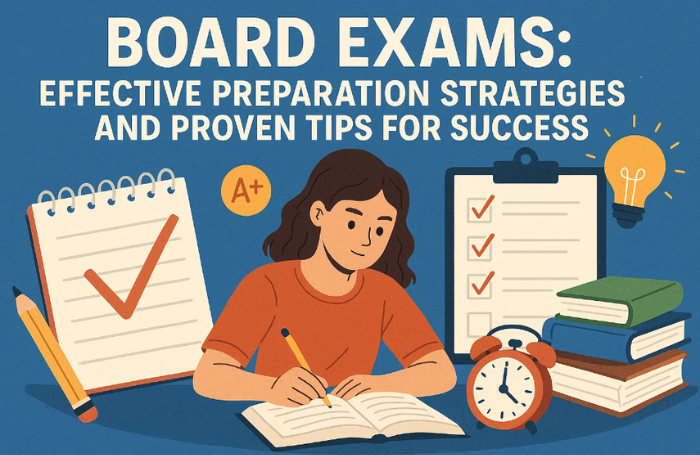
10 Effective Tips to Prepare for Board Exams
Board exams have a way of feeling bigger than they actually are. The pressure is real, but with the right approach, they’re manageable — and most students who do well aren’t necessarily the ones who study the most hours, just the ones who study smart. Here are ten tips that actually make a difference, whichever board you’re preparing for.
1. Build a Realistic Study Timetable
A timetable only works if you can actually stick to it. Block out time by subject, but leave room for revision, breaks, and the occasional off day — a rigid, over-packed schedule usually collapses within a week.
2. Master Your Core Textbook First
Before jumping into guidebooks and reference material, get thoroughly comfortable with your core syllabus textbook (NCERT, for CBSE students). Most board papers are built directly around it, and a strong grasp here makes everything else easier to layer on top.
3. Practice Previous Years’ Papers
There’s no better way to understand how questions are actually framed than solving real past papers. Do them under exam-like time conditions wherever possible — it trains both your knowledge and your pacing.
4. Take Regular Mock Tests
Mock tests do more than test what you know — they reveal what you don’t, while there’s still time to fix it. Treat every mock test as a diagnostic, not just a score.
5. Clear Doubts Immediately
A small doubt you ignore in September becomes a much bigger problem in February. Whether it’s a teacher, a tutor, or a classmate, get concepts clarified as soon as they come up — don’t let them pile up for “later.”
6. Revise With Short Notes and Mind Maps
Dense textbook paragraphs are hard to revise quickly. Condense each chapter into short notes, diagrams, or mind maps as you go, so your final revision weeks aren’t spent re-reading entire chapters from scratch.
7. Protect Your Sleep and Health
It’s tempting to cut sleep for extra study hours, but tired brains retain less, not more. Consistent sleep, regular meals, and short breaks aren’t a distraction from exam prep — they’re part of it.
8. Avoid Last-Minute Cramming
Cramming the night before rarely sticks, and it usually costs you sleep right when you need it most. Front-load your studying so the final days are for light revision, not new learning.
9. Manage Exam Stress and Comparison
Comparing your progress to a classmate’s rarely helps and often makes stress worse. Everyone’s pace is different — focus on your own preparation, and don’t let someone else’s revision speed set your anxiety level.
10. Get Personalized Guidance Where You’re Stuck
Self-study works well for a lot of the syllabus, but a personal tutor can be genuinely valuable for the specific subjects or chapters where you keep getting stuck. Targeted, one-on-one help on your weak spots is usually far more efficient than generic self-study of the same material.
Need Focused Help With a Tricky Subject?
TuitionPedia can match you with a verified tutor for exactly the subject and board you’re studying — with a free demo class to make sure it’s the right fit before exam season gets busy.